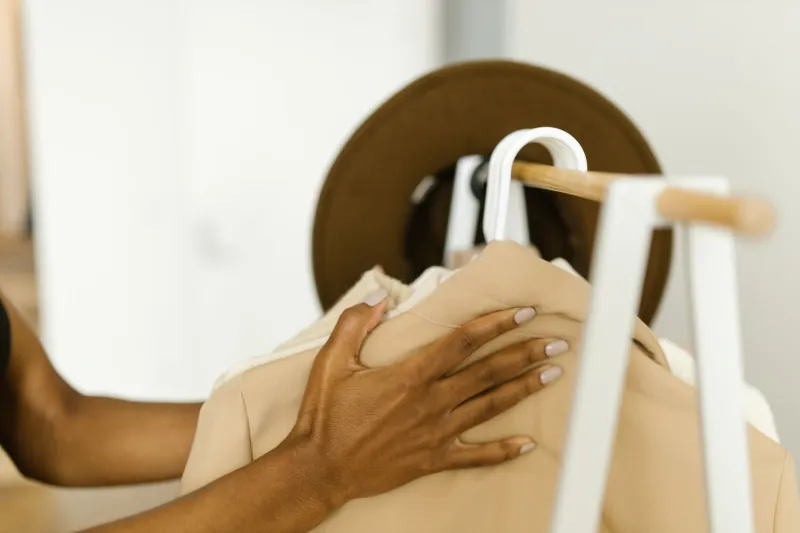
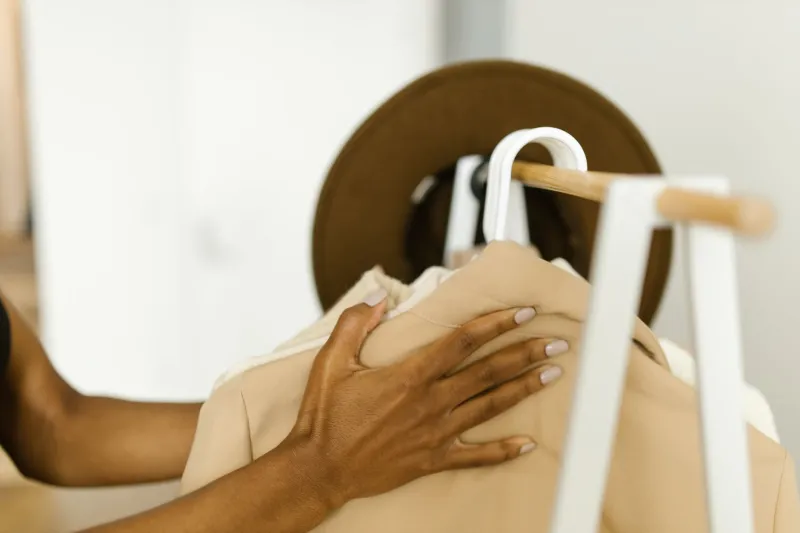
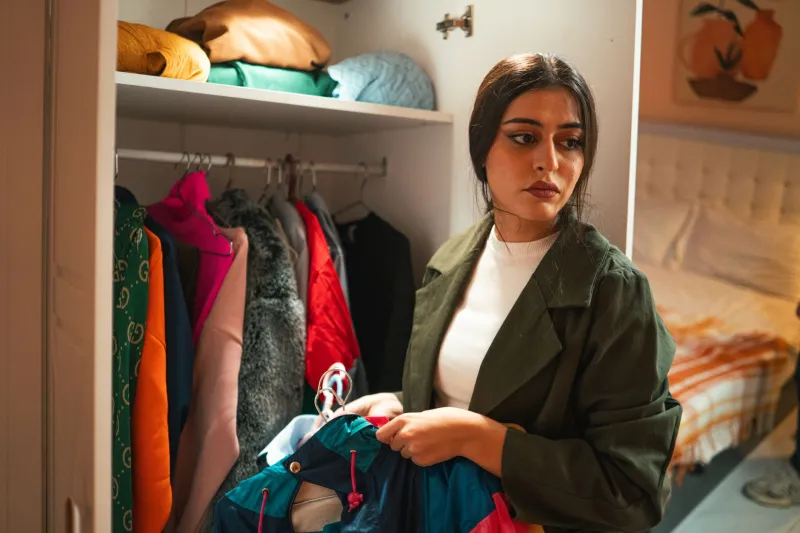
Repeat Offender: The Case for Wearing the Same Outfit More Than You Think You Should
Here's a thing that happened: you wore a great outfit on a Tuesday. It worked. You felt good. You got a compliment. And then you put those pieces away and didn't touch them again for three weeks because wearing them again too soon felt like getting caught.
Caught doing what, exactly? Being a normal person who found something that works and wore it again?
The anxiety around outfit repetition is real, it's widespread, and it is almost entirely unfounded. Let's actually look at the numbers — and the psychology — because the case for repeating outfits is stronger than the fashion industry would like you to believe.
Nobody Is Tracking Your Outfits (Except You)
Start here, because this is the foundation everything else rests on: other people are not cataloguing what you wear. They're not. Your coworkers are thinking about their own deadlines, their own lunch decisions, and their own slightly awkward Slack message from earlier. The person on the subway is not cross-referencing your current outfit against a mental database of your previous looks.
Research on social perception backs this up pretty consistently. People dramatically overestimate how much attention others pay to their appearance — a phenomenon psychologists call the spotlight effect. We assume we're under a level of scrutiny that simply doesn't exist for the vast majority of daily interactions.
This doesn't mean nobody ever notices what you wear. It means the bar for "noticing" is much higher than it feels from inside your own head.
Breaking It Down by Context
Not all repetition is equal. How quickly you can cycle back to the same outfit depends significantly on where you're wearing it and who's in the room.
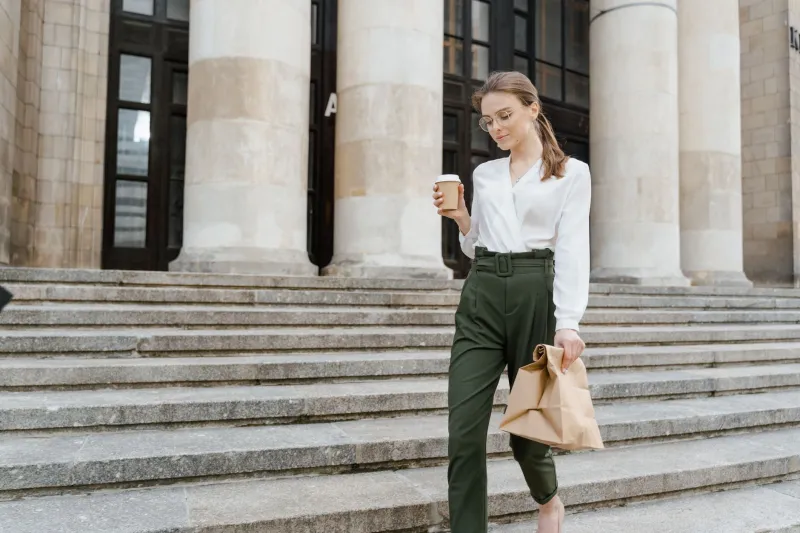
The commute: Repeat freely. Nobody on the L train or the 6 train is paying attention to your rotation. Your fellow commuters are in survival mode — headphones in, eyes down, coffee in hand. Wear the same commute outfit every single day if it's comfortable and functional. Nobody will notice. Nobody will care.
The office: This is where people get most anxious, and the anxiety is still largely disproportionate to the actual risk. In a typical office environment — especially a hybrid one where you're in the building two or three days a week — you can comfortably repeat a core outfit combination once every seven to ten business days without it registering as repetition to most colleagues. That's roughly once every two to three weeks of actual in-office time. Generous runway.
If you work in a small team where you see the same five people every day, you can still repeat more than you think — but varying one visible element (a different layer, different footwear, a swap in accessories) is enough to reset the perception entirely.
Social settings: Depends almost entirely on the crowd and the context. Repeating an outfit at a monthly happy hour? Essentially undetectable. Wearing the same thing to two consecutive dinners with the same close friends? They might notice, and they genuinely won't care. The only context where repetition gets tricky is back-to-back appearances in the same setting with the same people — and even then, a week between outings is usually sufficient buffer.
Events and occasions: Milestone events — weddings, milestone celebrations, formal work functions — are the one place where repetition gets more scrutiny, mostly because photos exist and people look at them. Even here, varying a key piece (a different tie, a different shoe, a different outer layer) effectively creates a new look in photographs.
The Variation Play: How to Make the Same Outfit Feel New
If you do want to cycle back to a favorite combination without it reading as an exact repeat, the good news is that the bar for variation is remarkably low.
Swapping one visible anchor piece is usually enough. Keep the trousers and the shirt, change the shoes. Keep the dress, add a blazer. Keep the full outfit, change the bag. These aren't tricks or workarounds — they're just how outfit-building actually works. The same core pieces genuinely look different with different context around them.
Color is the fastest variation tool available. If your repeat outfit is all neutrals, adding one color accent — a scarf, a different sock, a colored outerwear layer — shifts the visual read enough that it doesn't register as the same look, even if the foundational pieces are identical.
Texture works similarly. A chunky knit over a shirt that previously had a blazer over it creates a different silhouette and a different mood. Same shirt, genuinely different outfit.
The Real Cost of Outfit Anxiety
The belief that you need endless options to maintain credibility in a city environment is expensive — in money, in closet space, and in decision fatigue. The average American professional makes somewhere between dozens and hundreds of small decisions before 9 a.m., and "what do I wear today" shouldn't be depleting the same mental resource you need for actual work.
The urban professionals who look most consistently put-together are almost never the ones with the largest wardrobes. They're the ones who've identified what works, invested in those pieces, and cycle through them without apology. A smaller, tighter rotation of genuinely great outfits beats a sprawling closet full of options you're not sure about every single time.
Give Yourself Permission to Repeat
The next time you wear something that works — something you felt good in, something that got a compliment, something that made the morning easier — don't put it in a two-week timeout. Wear it again. Sooner than feels socially acceptable.
Notice what happens. Spoiler: nothing happens. The world continues. Your colleagues remain focused on their own work. The city keeps moving.
Repeating a great outfit isn't a sign that you've run out of ideas. It's a sign that you found one that works — and you were smart enough to use it.