Step Smarter: Building a Guilt-Free Sneaker Rotation for the City Commuter
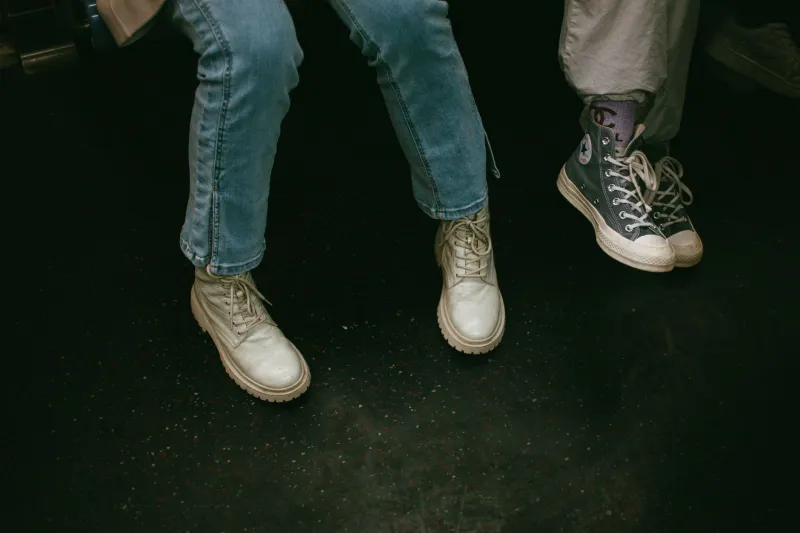
The average city dweller in the US logs somewhere between 8,000 and 12,000 steps a day just going about their regular routine — subway platforms, crosswalks, lunch spots, evening errands. That's a lot of mileage, and it all falls on the same two pairs of sneakers most of us rotate without much thought.
But here's the thing: if you're serious about city life, you should be just as serious about what's on your feet. Not just for comfort or style — though both matter — but for what those shoes represent. The sneaker industry is one of the most resource-intensive corners of fashion, generating hundreds of millions of pounds of waste annually. And yet, it's also one of the areas where conscious consumer choices can make a real, measurable difference.
Building a smarter rotation doesn't mean giving up the sneakers you love. It means knowing what to look for, which brands are actually doing the work, and how to make your collection last.
Why the Sneaker Industry Has a Problem Worth Talking About
A standard pair of athletic sneakers is made from somewhere between 30 and 65 individual components — synthetic rubber outsoles, foam midsoles, polyester mesh uppers, plastic lace hardware, chemical adhesives. The majority of these materials are petroleum-derived, difficult to separate, and nearly impossible to recycle through conventional channels.
The result is that most sneakers end up in landfills, where they take decades to break down. And because fast fashion has crept into footwear just as aggressively as clothing, many consumers are replacing their sneakers every six to eight months — not because the shoes are worn out, but because a new colorway dropped.
For city commuters who genuinely need their footwear to perform, the solution isn't necessarily buying less. It's buying better — and maintaining what you have.
What to Actually Look for in a Sustainable Sneaker
The word "sustainable" gets thrown around a lot, and not always honestly. Here's a practical breakdown of what separates genuinely responsible sneakers from greenwashed marketing.
Materials matter most. Look for uppers made from recycled polyester (rPET), natural or organic cotton, hemp, or bio-based materials like corn waste or sugarcane. Midsoles made from algae foam or natural rubber are increasingly common and perform comparably to traditional EVA foam. Outsoles using natural rubber or recycled rubber compounds are a meaningful upgrade from virgin synthetics.
Construction method tells a story. Stitched and cemented constructions that minimize adhesive use are generally more durable and, in some cases, resoleable. Brands that invest in longevity-first construction are signaling that they'd rather sell you one great pair than three mediocre ones.
Transparency is non-negotiable. Any brand worth your money should be able to tell you where their materials come from and how their factories operate. Look for certifications like B Corp, Bluesign, Fair Trade, or membership in the Sustainable Apparel Coalition. If a brand's sustainability page is vague and full of stock photography of mountains, that's a red flag.
Brands Worth Knowing
A few names consistently come up when city-focused consumers start doing their homework on sustainable footwear.
Allbirds built its reputation on merino wool and eucalyptus fiber uppers paired with a sugarcane-derived midsole. Their Tree Runners and Wool Runners are genuine all-day wear options for urban professionals who need something that looks clean in a coffee shop and feels fine after a two-mile walk home. They publish carbon footprint data per product, which is a level of transparency few brands match.
Veja has become something of a benchmark in the conscious sneaker space. The French brand (widely available across the US through retailers like Net-a-Porter and their own site) uses organic cotton, wild Amazonian rubber, and recycled plastic bottles, while maintaining transparent supply chains and fair wages. Their V-10 and Campo silhouettes have become genuine style staples for urban dressers who want something that looks as good as it performs.
Rothy's entered the sneaker conversation through their knitted recycled plastic upper technology, and their Point and RS01 styles have found a loyal following among professionals who need something polished enough for the office but comfortable enough for a full day on foot.
New Balance's Made in USA line, while not exclusively eco-focused, offers domestically produced options that reduce shipping emissions and support American manufacturing — a different kind of responsible purchasing that resonates with consumers who prioritize supply chain proximity.
The Cost-Per-Wear Calculation That Changes Everything
Here's the math most people skip: a $60 pair of fast-fashion sneakers that lasts eight months before falling apart costs roughly $0.25 per wear, assuming you wear them five days a week. A $180 pair of well-constructed, sustainably made sneakers that holds up for three-plus years — with proper care — costs around $0.16 per wear over the same frequency.
The higher-quality shoe is actually cheaper over time. It also generates less waste, involves fewer replacement purchases, and typically looks better longer because quality materials age more gracefully than cheap synthetics.
This is the cost-per-wear argument, and it's one of the most useful frameworks for justifying a footwear investment to yourself (or your budget spreadsheet).
How to Make Your Sneakers Last Longer
Even the best pair of sneakers won't survive neglect. A few simple habits can dramatically extend the life of your rotation.
Rotate consistently. Wearing the same pair every single day compresses the midsole foam without giving it time to recover. A two or three-pair rotation lets each shoe decompress between wears, extending cushioning life significantly.
Clean regularly, not occasionally. Surface dirt that sits in mesh or fabric uppers breaks down the fibers over time. A quick brush-down after muddy or wet days takes two minutes and prevents months of premature aging.
Store them properly. Keeping sneakers in a cool, dry place away from direct sunlight prevents the yellowing and material degradation that makes shoes look old before they are. Shoe trees or crumpled paper inside the toe box help maintain shape.
Know when to resole. Some brands and local cobblers can replace outsoles on higher-quality sneakers, adding another year or two of life to a pair that still has structural integrity. It's worth asking — and worth the cost.
Building Your Rotation With Intention
For most city commuters, a three-sneaker rotation covers the full range of daily needs: one clean, minimal silhouette for work-adjacent settings, one performance-oriented option for active days and longer commutes, and one more casual or expressive pair for weekends and off-duty hours.
The goal isn't to have more — it's to have enough, chosen well. When each pair is built to last, made with fewer environmental compromises, and maintained with basic care, your sneaker rotation stops being a source of low-grade guilt and starts being something you can actually feel good about.
That's the kind of essential the city deserves.