Same Outfit, Different Day: The Art of Building a Weekly Uniform That Actually Looks Intentional
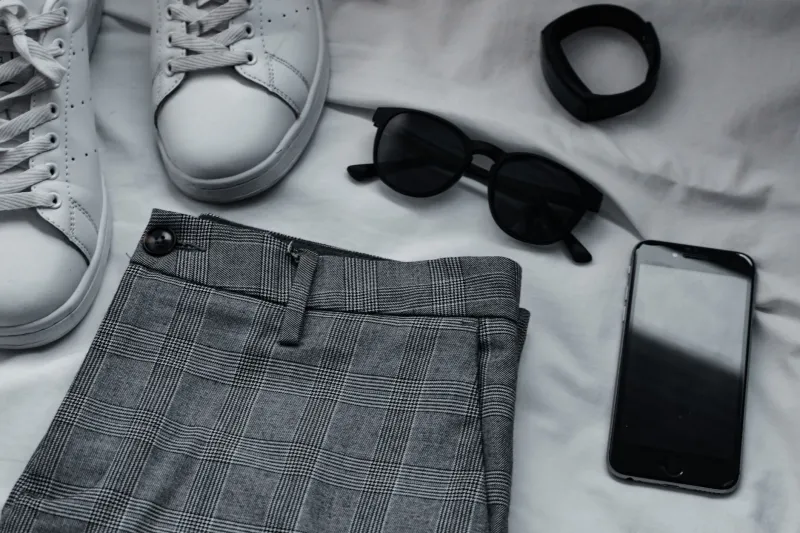
Let's be honest. Most of us wear the same handful of things on repeat anyway. The difference between looking effortlessly stylish and looking like you gave up is mostly just strategy. A real uniform — the kind that works for city professionals who are running from morning meetings to after-work drinks — isn't about wearing the same thing every day. It's about building a system so reliable you never have to think about it.
That's the capsule commute in a nutshell. And once you crack it, Monday through Friday starts feeling a lot more manageable.
Why the Uniform Works (and Why Most People Get It Wrong)
There's a reason people like Barack Obama and Steve Jobs famously stuck to near-identical outfits. Decision fatigue is a documented phenomenon — the more choices you make early in the day, the less mental bandwidth you have for the stuff that actually matters. Your wardrobe shouldn't cost you anything before 9 a.m.
But here's where a lot of people go sideways: they interpret "uniform" as "boring." They land on one outfit and repeat it robotically until their coworkers start asking questions. That's not the move. The goal is a set of formulas — not a single look, but three or four reliable combinations that rotate naturally through your week and adapt to the season without requiring a full rethink.
Think of it like a playlist, not a song on repeat.
Start With Your Outfit Formulas, Not Your Closet
Before you touch a single hanger, sit down and map out your actual week. What does Monday look like? Is there a standing client call on Wednesday? Do you hit the gym on Tuesdays before the office? Your formulas need to serve your real life, not some hypothetical version of it.
From there, most urban professionals find that three to four core formulas cover everything:
Formula 1: The Sharp Casual — Dark slim trousers or tailored chinos, a fitted crewneck or structured mock-neck, and clean leather sneakers or loafers. This one handles 90% of hybrid office environments and works for a dinner or drinks without any mid-day changes.
Formula 2: The Business-Leaning Layer — A well-fitted Oxford or poplin shirt under a lightweight blazer or overshirt, paired with trousers and a leather or suede shoe. Add or remove the outer layer depending on the temperature or the formality of your afternoon.
Formula 3: The Smart Utility — Cargo trousers or structured joggers in a neutral, a clean tee or Henley, and your best mid-top sneaker. This is your creative-office formula, your Friday formula, your "we're doing a team offsite" formula.
Formula 4: The Transitional Layer — Built around a statement outerwear piece (a trench, a quilted jacket, a structured coach coat) worn over any of the above. This one isn't a full outfit on its own — it's the variable that makes your other formulas feel different across seasons.
Four formulas. That's it. The rest is variation.
The Real Secret: Accessories and Color Swaps Do the Heavy Lifting
Once your formulas are locked in, variation becomes almost effortless. The base stays the same. The details shift.
Swap a white crewneck for a sage green one and Formula 1 reads completely differently. Add a watch and a leather tote on Monday, go with a canvas backpack and a beanie on Thursday, and no one in your office is connecting the dots. A pair of white sneakers versus a pair of brown suede loafers changes the energy of the entire outfit even when everything else is identical.
This is where accessories stop being an afterthought and start being the whole point. Invest in a few quality pieces — a good watch, two or three belts in different tones, a couple of scarves or hats for colder months — and you'll get more mileage out of fewer clothes than you ever thought possible.
Color is the other lever. Stick to a cohesive palette across your base pieces (neutrals like navy, charcoal, stone, and white are the classic city palette for a reason) and everything works together without effort. You're not locked into boring — you're just working within a system that makes sense.
Seasonal Adjustment Without Starting Over
One of the biggest misconceptions about building a uniform is that you have to rebuild it every time the weather changes. You don't. Your formulas are the skeleton. The season just changes what you put on top of them.
In spring and fall, a lightweight bomber or overshirt handles the temperature swings that define city life. Summer means swapping wool trousers for linen or cotton-blend versions of the same silhouette. Winter is when Formula 4 — the outerwear formula — really earns its keep. A great coat worn over your standard Formula 1 or 2 doesn't just keep you warm; it anchors the whole look.
The goal is to make seasonal shopping feel like a small update, not a full overhaul. Buy one or two seasonally appropriate pieces that slot directly into your existing formulas, and leave the rest alone.
Keeping It Fresh Without Overthinking It
Here's the thing about a well-built uniform: after a few weeks, getting dressed stops feeling like a task and starts feeling like a routine. A good routine. The kind that frees up mental space for the actual decisions that matter during your day.
You'll also start noticing something interesting. Because you're wearing your core pieces consistently, you'll spot wear faster and replace things before they start looking tired. Your wardrobe stays sharper overall because you're actually paying attention to it — just not every morning at 7:15 when you're running late.
The capsule commute isn't about wearing less or caring less. It's about being deliberate with what you've got. And in a city where your time and your attention are always in demand, that kind of intentionality has a way of showing up in everything — not just what you wear.
Start with three formulas. Nail those. Add a fourth when it makes sense. The rest takes care of itself.