Look Like a Million, Spend Like a Realist: The Smart Shopper's Guide to Designer-Level Style
There's a version of this article that tells you to "invest in timeless pieces" and then recommends a $1,200 cashmere sweater. That's not this article.
This one is for the person who appreciates the aesthetic of a well-made outfit — the clean lines of a good shoe, the drape of a quality fabric, the quiet confidence of wearing something that just looks right — but isn't about to drop a month's rent on a single item. The good news? You don't have to. The mid-range market has gotten genuinely good, and knowing how to shop it is its own kind of skill.
The Myth of the Price Tag
Here's something the fashion industry would rather you not think too hard about: a significant portion of what you're paying for with luxury goods is branding, heritage storytelling, and the social signal of the label itself. The actual construction gap between a $900 loafer and a $180 loafer has narrowed considerably over the past decade, especially as mid-range brands have started hiring the same factories and using comparable materials.
That doesn't mean all affordable fashion is created equal — it absolutely isn't. But it does mean the quality signals you're looking for are learnable, and once you know them, you can find them across a much wider price range.
Where to Actually Splurge
Not everything should be bought at the lowest possible price point. Some items are worth stretching your budget for because they touch your daily life in a way that makes quality immediately obvious.
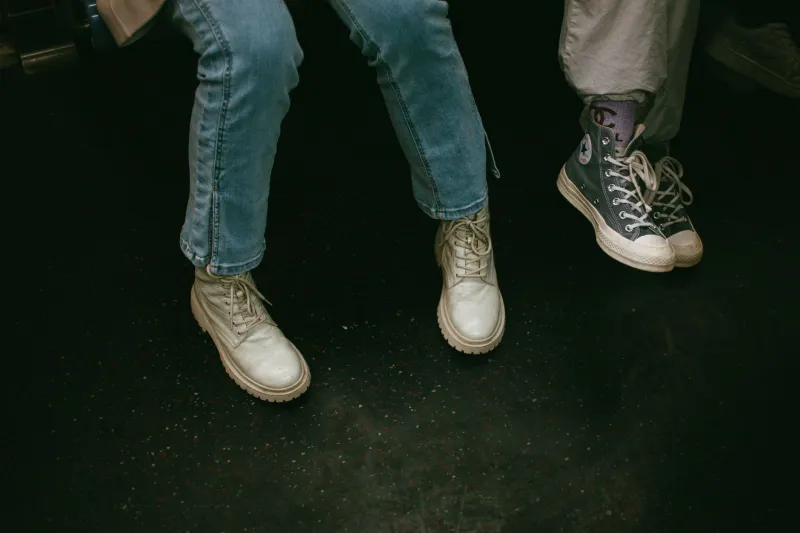
Shoes — especially leather ones. This is the one category where the quality gap between cheap and mid-range is most visible, most quickly. A $60 pair of dress shoes will look worn out within a season. A $180–$250 pair from a brand like Thursday Boots, Beckett Simonon, or Allen Edmonds (on sale) will last years with basic care and actually improve with age. For sneakers, the sweet spot is brands like New Balance, Veja, or Common Projects dupes from brands like Oliver Cabell — you get the clean silhouette without the three-figure markup.
Outerwear. Your coat is on display every time you step outside from October through March. It's worth spending real money here — or at least waiting for a sale at a brand like Banana Republic, J.Crew, or Quince, which consistently delivers quality wool and cashmere blends at non-insane prices. A good trench or wool overcoat in the $200–$350 range will look sharper than a $90 fast-fashion version on day one and for years after.
One or two key tailored pieces. A well-fitting blazer or a pair of properly cut trousers elevates everything around them. Brands like SuitSupply, Banana Republic Factory (with a coupon code, always), and even Zara's tailored line have genuinely solid construction at prices that won't make you wince.
Where to Save Without Sacrificing
Basics and layering pieces. White tees, undershirts, casual crewnecks, simple button-downs you're wearing under a sweater — nobody needs to spend $85 on these. Uniqlo, Target's A New Day line, and Amazon Essentials produce basics that hold up surprisingly well. The key is buying in neutral colors and replacing them before they look tired.
Trendy pieces. If you want to try a micro-trend — a specific silhouette, a color moment, a print that's everywhere this season — don't invest heavily in it. Buy the affordable version, wear it while it feels current, move on. Save the real spending for the pieces that don't expire.
Accessories like belts and socks. Honest truth: unless you're buying a statement piece, a $35 leather-look belt from a mid-range brand does the same job as a $200 one. Same with socks. Bombas and Darn Tough are worth the premium for durability, but you don't need to source them from a heritage brand.
How to Spot Quality in the Mid-Range Market
This is the skill that actually moves the needle. Here's what to look for when you're evaluating a piece in person or online:
Check the seams. Quality construction means tight, even stitching with no loose threads. Pull gently at a seam — it shouldn't give easily. On a shirt or jacket, check the collar and shoulder seams especially.
Feel the weight. Cheap fabrics often feel light and slightly plasticky. A mid-range piece in a good cotton, wool blend, or structured synthetic will have some weight and structure to it. Drape it over your hand and see how it moves.
Look at the lining. Jackets and blazers with quality linings — even simple ones — signal better overall construction. A lining that's already puckering or bunching on the rack is a bad sign.
Check the hardware. Buttons, zippers, and snaps on a quality piece feel solid and move smoothly. Cheap zippers snag. Plastic-feeling buttons chip. These details matter more than you'd think.
Read the fabric content label. Aim for natural fibers or quality blends. A wool-poly blend can be great. 100% polyester in a dress shirt is usually a pass. Look for at least some natural fiber content in anything you plan to wear all day.
Specific Picks Worth Knowing About
A few brands that consistently deliver designer-adjacent results without the designer invoice:
- Quince — Cashmere, linen, and leather goods at prices that feel almost suspicious. Quality is genuinely solid.
- Thursday Boots — The best value in the leather boot category, full stop. Built for actual city wear.
- SuitSupply — For suiting and tailored pieces, nothing touches this at the price point. The Havana blazer in particular is a wardrobe staple.
- Everlane — Inconsistent, but their way-washed chinos and Italian leather sneakers punch well above their price.
- New Balance 990 series — Made in the USA, genuinely premium construction, and the aesthetic credibility of a sneaker that serious people wear seriously.
The Mindset Shift That Changes Everything
The most expensive thing you can do is buy cheap pieces repeatedly. A $40 shoe that needs replacing every six months costs more over two years than a $180 shoe that lasts five. The goal isn't to spend less — it's to spend smarter.
Look like you have taste. Spend like you have sense. That's the whole playbook.