Transit-Proof Your Closet: The Micro-Wardrobe Built for the Daily Commute
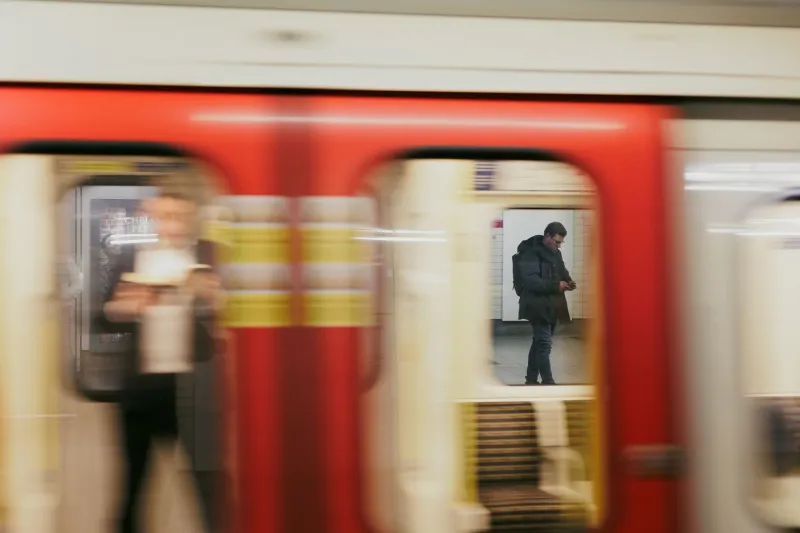
Let's be honest: the commute is where wardrobes go to die. You leave the apartment looking sharp, squeeze onto a packed subway car, get caught in a surprise drizzle between stops, and arrive at the office looking like you lost a fight with your morning. The blazer is creased. There's an inexplicable coffee situation happening near your left cuff. And your shoes — don't even talk about your shoes.
Most style advice treats the commute as a footnote. Get dressed, look good, arrive. But for anyone navigating a real American city — New York, Chicago, LA, DC, Boston — the commute isn't a footnote. It's a full contact sport. Your clothes need to survive it before they even get to do their actual job.
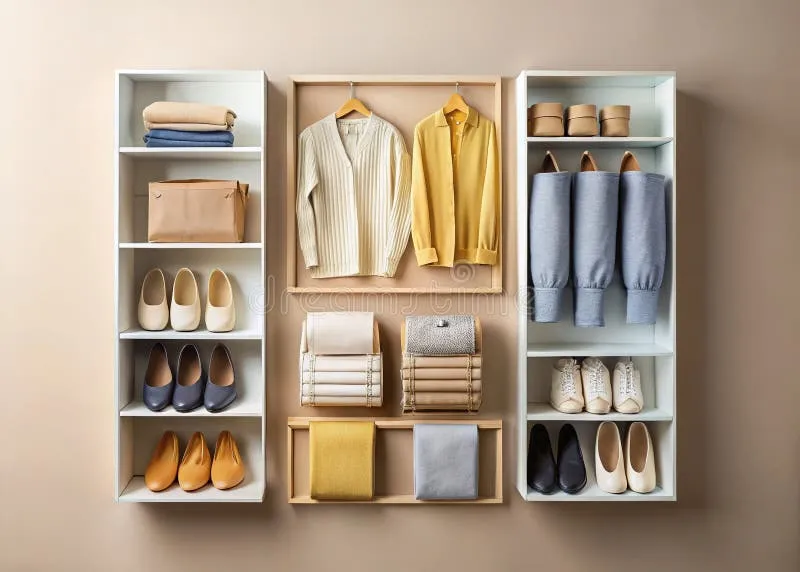
That's the whole idea behind a commute capsule: a small, hyper-functional subset of your wardrobe built specifically around transit life. Not your office looks. Not your weekend rotation. The pieces that bridge the gap and survive the journey.
Why the Commute Demands Its Own Logic
Office dressing is about impression. Weekend dressing is about comfort. Commute dressing is about survival — and the two aren't always compatible with what comes before or after.
Think about what your clothes actually go through. You're standing, sitting, gripping overhead bars, navigating turnstiles, dodging puddles, and occasionally running for a closing door. You're exposed to temperature swings (heated train car to freezing platform to heated office). You're in close contact with strangers, metal poles, and the occasional mystery liquid.
The wardrobe logic here is different. It's less about how something looks on a hanger and more about how it holds up under pressure — literally.
The Fabric Question Is Everything
If you take one thing from this piece, let it be this: fabric choice is the single biggest lever you can pull when building a commute-ready wardrobe.
Natural fibers like linen and raw cotton, while beautiful, are commute disasters. They wrinkle if you look at them wrong, and they absorb moisture like a sponge. Silk? Absolutely not on a Tuesday morning train.
What actually works:
Wool and wool blends are the unsung heroes of urban commuting. Merino wool in particular is naturally odor-resistant, temperature-regulating, and wrinkle-resistant in a way that synthetic fabrics can't quite replicate. A merino crewneck or a lightweight wool trouser will look almost as good at 6 PM as it did at 7 AM. That's not magic — that's fiber science.
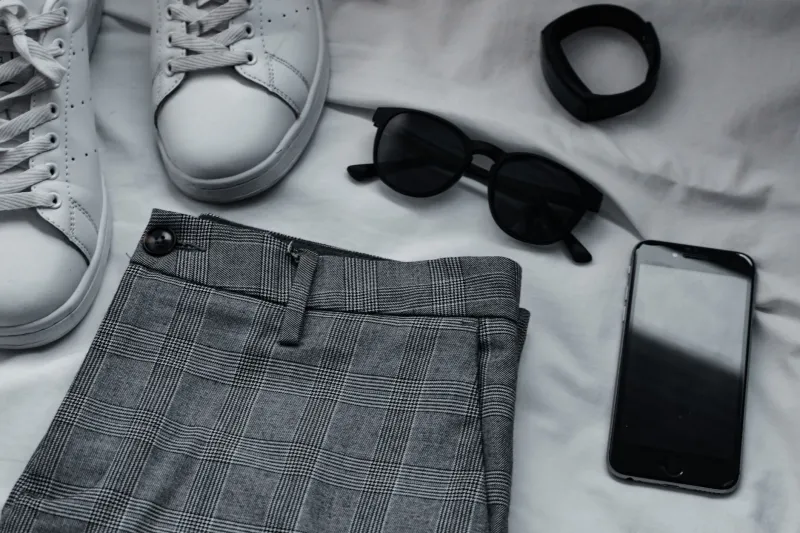
Ponte fabric is having a quiet moment and deserves more credit. It's a knit that looks structured, resists wrinkles aggressively, and moves with your body. Ponte trousers, in particular, are a commuter's best friend — they read as professional but perform like activewear.
Technical fabrics — think the kind used in performance dress shirts and travel pants — are worth exploring, especially if your commute involves serious weather. Brands like Bluffworks, Ministry of Supply, and Outlier have built entire lines around exactly this problem. Yes, they cost more. The cost-per-wear math often works out.
Pocket Placement: The Detail Nobody Talks About
This sounds minor. It is not minor.
When you're commuting, your hands are occupied — holding a coffee, gripping a pole, swiping a MetroCard. You need your essentials accessible without digging through a bag every thirty seconds. That means thinking about where pockets actually live on your clothes.
Deep front pockets on trousers (not the shallow decorative ones) are non-negotiable. Interior jacket pockets are clutch for keeping your phone secure without flashing it in a crowd. Zip pockets on outerwear beat button closures every single time — nothing falls out, nothing gets grabbed.
If you're shopping for commute-specific pieces, try them on and physically put your phone in every pocket. If it doesn't fit or feels insecure, move on.
Outerwear That Actually Does Something
Your commute coat is working harder than any other piece in your wardrobe. It needs to handle rain, wind, cold platforms, and the weird overheated sauna that is every subway car in January.
The ideal commute outerwear is water-resistant (not just water-repellent — there's a difference), packable enough to stow in a bag when you're inside, and doesn't trap heat to the point of misery. A lightweight quilted jacket or a technical shell in a neutral color covers most American city weather scenarios from October through April.
Avoid dry-clean-only coats for everyday commuting. That's a lifestyle tax you don't need.
The Scarf Trick (And Other Unexpected Essentials)
Here's something experienced city commuters know that nobody puts in style guides: a scarf is one of the most functional commute accessories you can own, and not just for warmth.
A large, dark, or patterned scarf can cover a coffee spill, protect a light-colored shirt from a dirty seat back, double as a layer when the office AC is arctic, and generally buy you time when something goes sideways on the way in. Keep one in your bag year-round. You'll use it more than you expect.
Other underrated commute essentials:
- Shoe covers or commute shoes: Some people swear by keeping dedicated office shoes at their desk and commuting in comfortable, weather-resistant footwear. It sounds extra until you've destroyed a pair of leather dress shoes in a March slush situation.
- A compact stain pen: Tide To Go or similar. Non-negotiable. It lives in your bag permanently.
- Dark or pattern-heavy base layers: Light-colored shirts are beautiful and cruel. A navy, charcoal, or patterned shirt hides the minor disasters of transit life without requiring a wardrobe change.
Building Your Actual Capsule
A functional commute capsule doesn't need to be large. Five to seven pieces that rotate across your work week is genuinely sufficient:
- 2-3 wrinkle-resistant trousers or ponte pants in neutral colors
- 2-3 merino or technical tops that can anchor different outfits
- 1 versatile layer (a structured cardigan or lightweight blazer in a travel-friendly fabric)
- 1 reliable commute outerwear piece
- Footwear that can handle real sidewalks without destroying itself
The goal isn't a separate wardrobe — it's a smarter filter on what you already own. When you're shopping, start asking the commute question: will this survive the journey? If the answer is no, it might be beautiful, but it's not an essential.
Your commute is part of your day. Dress for all of it.