Secondhand, First Quality: How Smart City Shoppers Are Building Better Wardrobes for Less
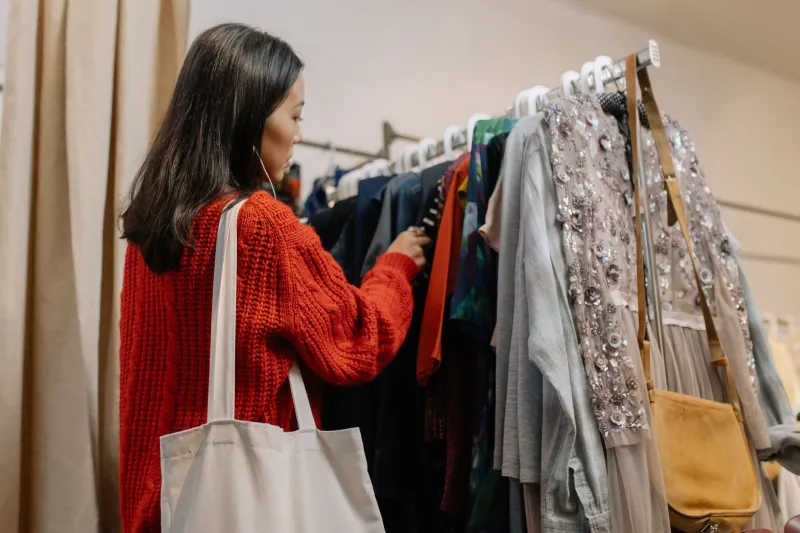
Walk into any well-curated thrift store in a major US city and you'll almost certainly spot someone pulling racks with the focused energy of a person on a mission. They're not there for the nostalgia or the Instagram content. They're there because they've figured out what a lot of retail shoppers haven't: the secondhand market is one of the most efficient ways to build a genuinely high-quality wardrobe — if you know what you're doing.
This isn't about settling for less. It's about buying better, spending smarter, and keeping perfectly good clothes out of landfills in the process. Here's how to do it right.
Shift Your Mindset First
The biggest barrier to thrift shopping for most urban professionals isn't time or access — it's mindset. There's a persistent idea that buying secondhand means accepting compromise. Lower quality. Outdated styles. Questionable provenance.
That narrative is about ten years out of date. Platforms like Poshmark, Depop, The RealReal, ThredUp, and eBay have completely professionalized the resale market. Sellers photograph items under good lighting, disclose condition honestly (the good ones, anyway), and compete on quality. Meanwhile, brick-and-mortar thrift chains like Goodwill and Savers, along with independent vintage shops in most major cities, are stocked with items that were donated by people who simply moved on — not because the pieces were worn out.
Once you accept that the quality is often there, the real work becomes knowing where to look and what to look for.
What to Hunt For (and What to Skip)
Not everything is worth buying secondhand. Knowing the difference saves you time and money.
The best secondhand buys:
- Wool and cashmere sweaters — Natural fibers hold up exceptionally well and are easy to inspect. Run your fingers through the fabric. If it pills easily or feels thin, pass. A dense, heavy knit in good condition is almost always worth it.
- Denim — Quality denim improves with wear and lasts for decades. Look for heavier weights (12 oz and up), minimal fading in unexpected places, and intact hardware.
- Leather shoes and boots — This is one of the most compelling arguments for thrifting. A pair of Allen Edmonds or Clarks Desert Boots that retail for $300+ can show up for $30-60 in near-perfect condition. Leather can be reconditioned, resoled, and restored in ways that synthetic materials simply can't.
- Blazers and sport coats — Structured tailoring holds its shape well when stored properly. Check the lining, the buttons, and the shoulder seams. Minor repairs are cheap. Good construction is not.
- Outerwear — Trench coats, wool overcoats, and quilted jackets are thrift gold. The markups on new outerwear are enormous, and a quality coat will outlast almost anything else in your closet.
What to approach carefully:
- Knitwear with visible pilling or thinning at the elbows
- Shoes with compromised soles or heel wear that's too far gone for a cobbler
- Dress shirts with collar or cuff fraying — these are almost never worth the effort
- Anything with a persistent odor that a good wash won't fix
Online Resale: How to Shop Without Getting Burned
Online resale platforms have made high-quality secondhand shopping accessible from anywhere, but they also require a bit more diligence than walking into a store and feeling the fabric yourself.
Read the listing description carefully. Good sellers describe condition accurately and mention any flaws upfront. If the description is vague or the photos are poorly lit, message the seller and ask for more images before buying.
Know your measurements cold. Vintage and international sizing is inconsistent. A size Large from one brand in one decade is not the same as a size Large from another. Measure yourself once, write it down, and compare against the seller's listed measurements — not just the tag size.
Authentication for luxury and designer pieces — If you're buying something listed as a designer item on The RealReal or a similar platform, the platform itself typically handles authentication. For peer-to-peer platforms like Poshmark or eBay, look for seller reputation, transaction history, and clear photos of tags, hardware, and serial numbers. For anything over $200, it's worth cross-referencing details with brand-specific authentication guides. Fake stitching, off-color hardware, and misspelled tags are the most common tells.
Use the filters aggressively. Most platforms let you filter by brand, size, condition, and price range simultaneously. Narrow it down before you start browsing or you'll spend an hour going nowhere.
The In-Store Thrift Strategy
Physical thrift stores reward consistency. Go once and you might find nothing. Go every two or three weeks and you start to learn the rhythm — when new donations hit the floor, which locations in your city get better-quality drops, what sections are worth spending time in.
A few habits that separate intentional thrift shoppers from casual browsers:
- Shop with a specific list. Walk in knowing you're looking for a navy blazer or a white Oxford shirt. Browsing without intention leads to impulse buys you'll regret.
- Check fabric content labels, not brand names. The label tells you more than the brand. Cotton, wool, linen, and leather are what you want. Polyester-heavy blends, especially in structured pieces, are usually a pass.
- Don't overlook the men's section if you shop women's, and vice versa. Oversized blazers, coach jackets, and flannels from the men's section have been wardrobe staples in women's fashion for years.
- Inspect under good light. Hold pieces up to natural light near a window if the store lighting is dim. Thin spots, stains, and pilling are much easier to catch this way.
Integrating Finds Into a Modern Wardrobe
The final step — and the one most guides skip — is making your secondhand pieces feel like they belong.
A thrifted wool overcoat worn with fresh sneakers and clean contemporary basics doesn't read "thrift store." It reads considered and intentional. The key is contrast: mix your vintage or secondhand finds with modern, well-fitted basics so the overall look feels current rather than costume-y.
When you bring something home, clean or condition it before it goes into your closet. A leather conditioner on a thrifted pair of boots, a proper hand wash on a cashmere sweater, a trip to the tailor for a blazer that's slightly too big in the shoulders — these small investments turn a good find into a piece you'll actually reach for.
And that's really the whole point. The thrift-to-street pipeline isn't a budget hack. It's a smarter way to buy quality — the kind of quality that lasts, that fits into your existing wardrobe, and that doesn't require you to spend like you're trying to impress someone at a department store counter.
The best-dressed people in any room figured this out a while ago. Now you have the playbook.