Stop Trying to Perfect Your Wardrobe — Start Dressing Like Yourself Instead

Somewhere between the third minimalism YouTube rabbit hole and your second attempt at building a 33-piece seasonal wardrobe, something probably went sideways. Maybe you donated half your closet, bought a bunch of "timeless" beige, and then stood in front of your perfectly curated shelves feeling absolutely nothing. Or worse — bored.
You're not doing it wrong. The formula might just be broken.
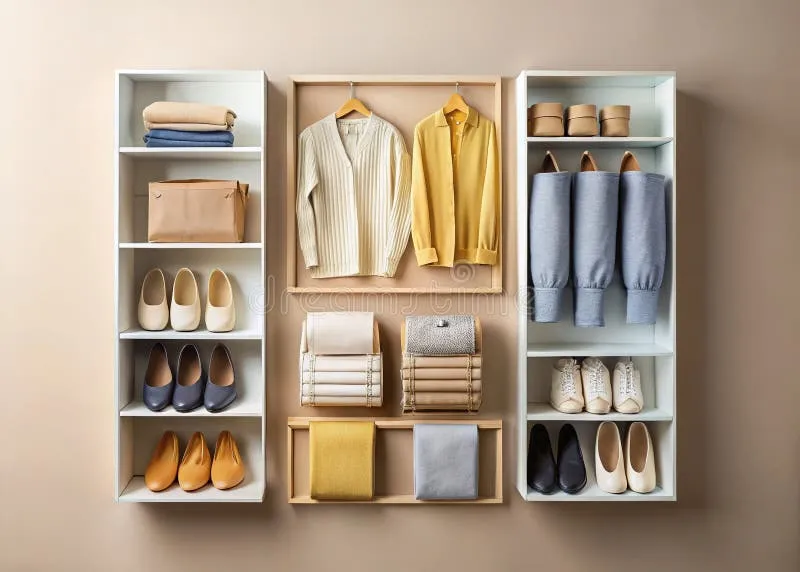
The capsule wardrobe concept isn't bad, exactly. The intention behind it — buy less, choose better, stop the mindless scroll-and-purchase cycle — is genuinely solid. But somewhere along the way, it morphed into a rigid set of rules that treats your wardrobe like a math problem with one correct answer. And real city life? It doesn't work like that.
The Myth of the "Perfect" 10 Pieces
Here's what the capsule wardrobe content never really accounts for: you are not a static person. Your Tuesday morning commute to a client meeting in Midtown is a completely different energy than your Saturday afternoon in Williamsburg or your Wednesday happy hour that turned into a rooftop thing. The idea that ten interchangeable neutrals can cover all of that — while also expressing who you actually are — is a little optimistic.
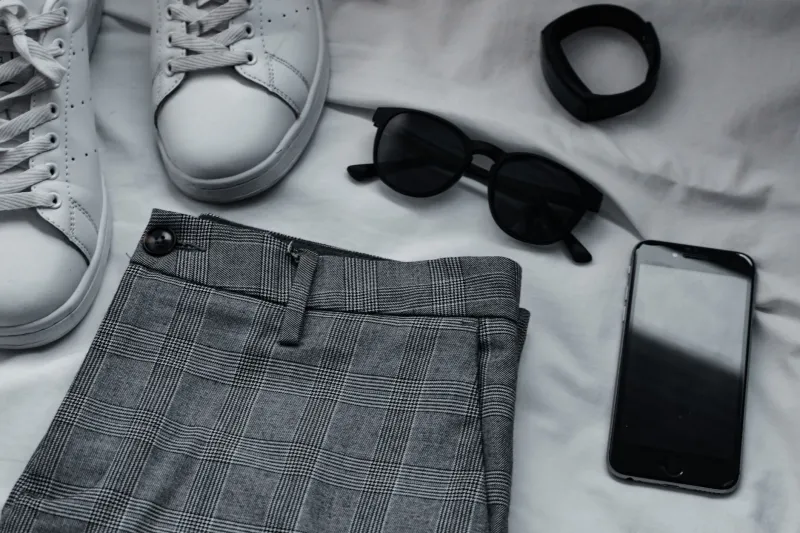
The most stylish city dwellers you see on the street or in the office aren't pulling from a rigid inventory. They're pulling from a living, breathing collection of pieces that reflect where they've been, what they're into right now, and where they're headed. There's a vintage denim jacket from a thrift score in Silver Lake. A blazer they bought for a job interview three years ago that somehow became their most-reached-for layer. A pair of sneakers that technically "don't go" with anything but somehow go with everything.
That's not chaos. That's personality.
Rules Worth Keeping (And the Ones Worth Ditching)
To be fair, not every capsule wardrobe principle deserves to be thrown out. A few of them are actually useful:
- Buy quality over quantity. This one holds up. A well-made chore coat will outlast three fast-fashion alternatives.
- Know your color palette. Not in a restrictive way, but understanding which tones you gravitate toward naturally saves you from impulse buys you'll never actually wear.
- Have go-to combinations. Mental outfit formulas — a specific pair of pants that works with half your tops — reduce decision fatigue on hectic mornings.
But here's what you can safely ignore:
The "only neutrals" rule. If you're a person who lights up when you put on a cobalt blue shirt or a rust-colored trouser, why are you punishing yourself with greige? Color is not the enemy of a functional wardrobe. It's actually a shortcut to looking put-together, because a single intentional pop of color reads as deliberate rather than accidental.
The "everything must match everything" rule. This one sounds practical but actually produces the most boring possible wardrobe outcomes. Controlled contrast — a structured piece with something relaxed, a polished fabric with something more rugged — is how interesting outfits happen.
The "seasonal purge" rule. Unless you're actively running out of physical space, getting rid of something just because it's been sitting for a season is arbitrary. Some pieces are slow burners. Some are waiting for the right moment. Give them a little grace.
What "Controlled Chaos" Actually Looks Like
The phrase sounds counterintuitive, but the best urban wardrobes operate on a version of it. Think of it less as chaos and more as intentional flexibility. You've got a reliable core — the pieces that always work, that you'd grab in a rush — and then you've got what we'd call the wild cards. The statement piece that only works with one or two things but works really well. The patterned item that shouldn't make sense but does. The shoes that are slightly too much for most occasions but perfect for the right one.
The wild cards are what make your outfits memorable. They're also what make getting dressed feel like something other than a chore.
The trick is keeping enough structure that you're not standing in front of a disaster every morning, while leaving enough room that your wardrobe can actually grow with you. Life in a city changes fast. Your job changes. Your neighborhood changes. Your social life shifts. A wardrobe that can't adapt to any of that isn't actually serving you — it's just sitting there looking organized.
Building a Wardrobe That Moves With You
Instead of starting with a list of prescribed essentials, try starting with a different set of questions:
What do you actually do most days? Not what you wish you did — what you actually do. If you're in a creative field with flexible dress expectations, a wardrobe built around formal workwear basics is going to feel like a costume. Design around your real life.
What pieces have you worn the most in the last six months? Those are your actual anchors. Not the ones a blog told you to buy. The ones you keep reaching for.
What do you feel good in? This is underrated as a wardrobe metric. If you feel sharp in it, you'll wear it. If you feel like you're performing someone else's idea of style, it'll sit there.
What's missing that would make the pieces you already love more wearable? This is how you shop strategically — filling actual gaps rather than buying another white button-down because a list told you to.
The Real Urban Essential
Here's the thing about dressing well in a city: the environment itself rewards people who look like they made a choice. Not necessarily an expensive choice, not a minimalist one, not a trendy one — just a deliberate one. An outfit that says "I thought about this" reads better on a crowded subway platform than one that says "I followed a formula."
The capsule wardrobe trend got one thing right: being intentional about what you own and why you own it is genuinely valuable. But intentional doesn't have to mean minimal. It doesn't have to mean neutral. And it definitely doesn't have to mean boring.
Your wardrobe should be a reflection of the life you're actually living — the meetings, the late nights, the weekend farmers market, the last-minute gallery opening, all of it. The best style rule anyone ever gave you probably wasn't a rule at all. It was just permission to trust your own eye.
So keep the pieces that work. Ditch the ones that don't. And stop apologizing for the ones that don't fit any formula but make you feel like yourself. That's the whole point.